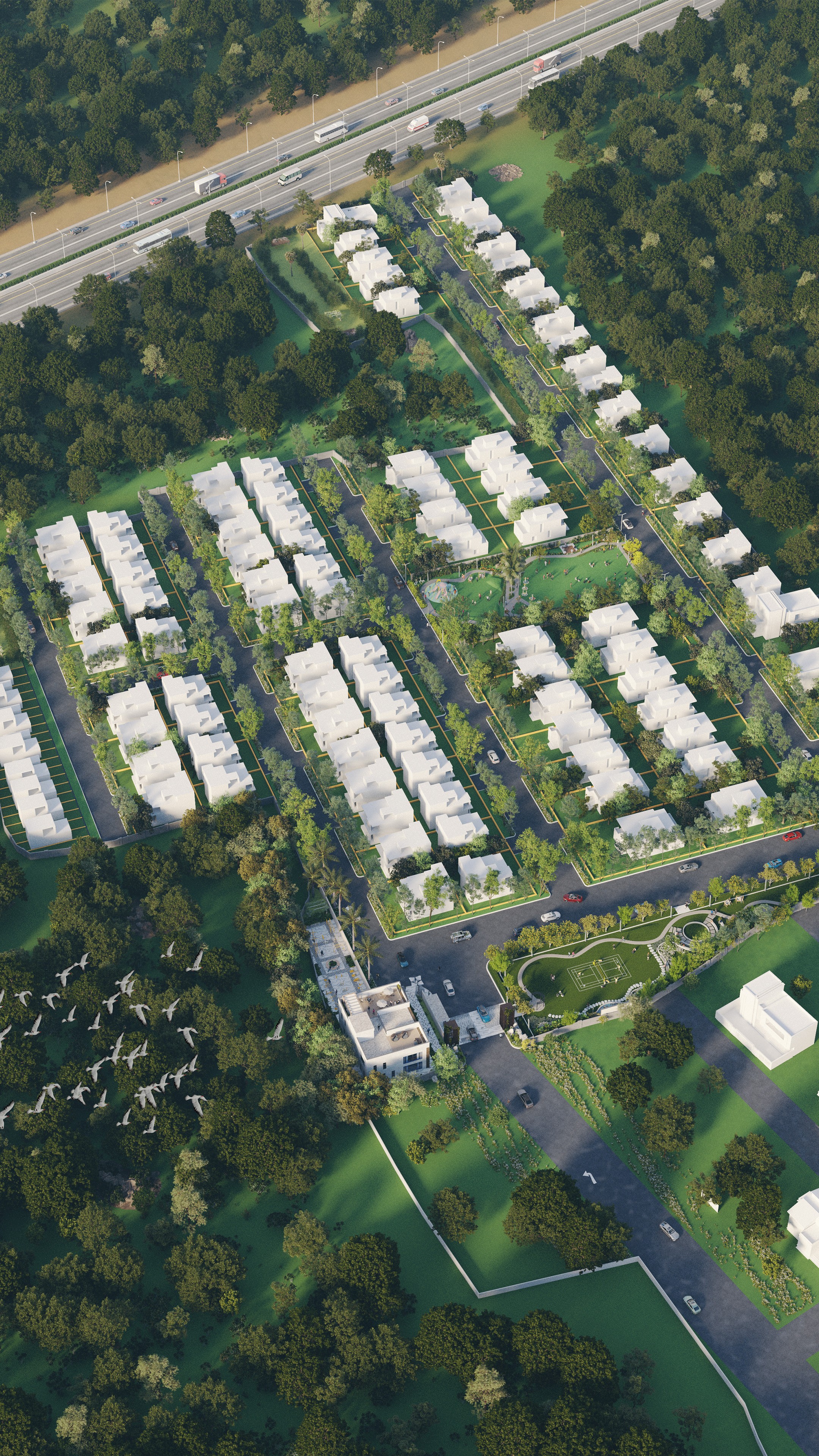
Why 2026 is the "Golden Year" for NRI Investment in Indian Real Estate
The Indian real estate landscape has fundamentally shifted. With a stronger-than-ever regulatory environment and a favorable currency gap, NRIs are moving their capital from global markets to Indian Tier-2 growth engines like Raipur. This guide breaks down the five core reasons why 2026 is the most strategic time in a decade for NRIs to invest in their homeland.
5 minutes

The investment patterns of the global Indian diaspora have evolved. In 2026, real estate is no longer just a "retirement plan"—it is a high-performance asset class. Here is why NRIs from the US, UAE, UK, and beyond are doubling down on Indian property.
1. Currency Arbitrage: The "Dollar Advantage"
With the Indian Rupee (INR) hovering at a strategic exchange rate against major global currencies like the USD and Euro, your foreign earnings have unprecedented "stretch" in the Indian market.
The Math: A luxury 4 BHK in Swastik Florea that costs ₹2.5 Crores may seem substantial in India, but for an NRI, it represents a significantly lower relative cost compared to a modest apartment in New York or Dubai. This "currency discount" allows NRIs to skip entry-level homes and go straight for premium, luxury assets.
2. Capital Appreciation in Emerging Corridors
While global real estate markets in many Western cities have plateaued, Indian Tier-2 cities like Raipur are in an aggressive growth phase.
Infrastructure Boom: In 2026, Raipur’s connectivity via the Atal Expressway and the expansion of the Vidhan Sabha corridor has made locations like Royale Avenue high-yield zones. Properties in these strategic corridors are seeing a faster rate of appreciation than established metros, offering NRIs a better "buy-low, sell-high" opportunity.
3. The "Budget 2026" Compliance Revolution
The Indian government has made 2026 a landmark year for "Ease of Doing Business" for NRIs.
Scrapping the TAN Requirement: Previously, resident buyers had to get a specialized "TAN" number to buy from an NRI, which often delayed deals. As of April 2026, this hurdle has been removed. Transactions are now PAN-based, making the selling process for an NRI as smooth as it is for a local resident.
Faster Repatriation: Under the current USD 1 million annual limit, moving your sale proceeds back to your country of residence has become a standard, digitized banking procedure through NRO/NRE accounts.
4. High Rental Yields & "Secondary Income"
With the rise of "Managed Living," NRIs no longer have to worry about finding tenants. Raipur’s status as a commercial hub (boosted by developments like Prime Plaza) ensures a steady stream of corporate professionals seeking high-end rentals.
Passive Income: A well-located property in East 12 can generate monthly rental income that can either be repatriated or used to pay off a local Indian home loan, effectively making the property "self-funding."
5. Transparency and the RERA Shield
The days of "builder risk" are over. In 2026, RERA (Real Estate Regulatory Authority) is fully digitized and strictly enforced. NRIs can now monitor construction progress, view floor plans, and verify legal titles from a smartphone thousands of miles away. This level of transparency has removed the "trust gap" that previously held international investors back.
Conclusion: Beyond Financials
For most NRIs, a home in India is a "Safe Haven." It’s a hedge against global inflation, a physical asset that doesn't fluctuate like the stock market, and a permanent anchor for their family.
At Shri Swastik, we speak your language. From virtual walkthroughs to handling the specialized "15CA/15CB" tax paperwork, we ensure your investment in Raipur is as seamless as a local purchase.
Next blog