RERA Explained: Your Shield in the Real Estate Market
In the past, buying a home often felt like a leap of faith. But since the implementation of the Real Estate (Regulation and Development) Act (RERA), the power has shifted back to you, the buyer. In 2026, RERA is the ultimate "Trust Mark" for any property in Raipur. Whether you are looking at a high-rise in East 12 or a plot in Swastik Florea, understanding RERA is the first step to a stress-free investment. This guide breaks down what RERA is and why it’s the most important document you’ll ever check.
5 minutes
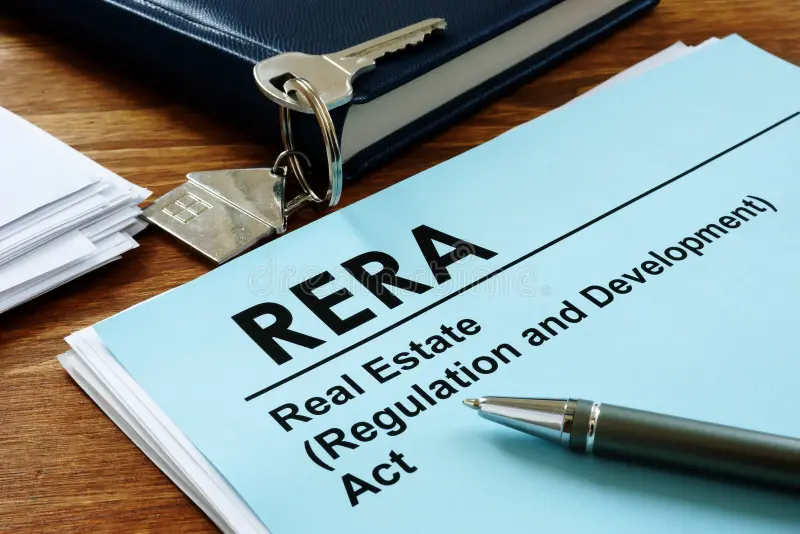
Before RERA, the real estate industry was often called the "Wild West"—delays were common, and "Super Built-Up Area" was a confusing mystery. Today, RERA acts as a professional referee, ensuring that builders like Shri Swastik and buyers like you play by the same transparent set of rules.
1. What exactly is RERA?
RERA is a government body established to regulate the real estate sector. Every project larger than 500 square meters or having more than 8 apartments must be registered with the Chhattisgarh RERA (CG-RERA) authority.
The Registration Number: If a project doesn't have a RERA number, it cannot legally be advertised or sold. It is the "Aadhaar Card" of a real estate project.
2. The "70% Escrow" Rule: Protecting Your Money
One of the biggest fears for buyers was that a builder would take their money and use it to start a different project, causing delays in their home.
The Shield: RERA mandates that 70% of the funds collected from buyers must be kept in a separate Escrow Account. This money can only be used for the construction and land costs of that specific project. This ensures your home stays on track and the builder stays financially disciplined.
3. Standardized Carpet Area
No more paying for the lobby, the lift shaft, or the "imaginary" space.
Transparency: Builders are now legally required to sell based on Carpet Area—the actual usable floor space inside your walls. If a brochure for Swastik Florea says 1,200 sq. ft., it means exactly that in usable space. This makes it easy for you to compare prices across different projects accurately.
4. The 5-Year Structural Guarantee
When you buy a car, you get a warranty. Why should a home be any different?
The Safety Net: Under RERA, a developer is responsible for any structural defects or workmanship issues for 5 years after you take possession. If a crack appears or there is a major plumbing failure, the builder must fix it within 30 days at no extra cost to you.
5. Timely Possession or "Pay-Back"
"Construction is 90% done" used to be a phrase that lasted for years.
Accountability: Builders must provide a specific "Date of Completion" on the RERA portal. If they miss this deadline, they are liable to pay you interest for every month of delay. Alternatively, if you choose to withdraw from a delayed project, you are entitled to a full refund plus interest.
6. Fast-Track Dispute Resolution
You no longer have to wait years in civil courts for justice.
The Tribunal: CG-RERA has a dedicated Appellate Tribunal designed to settle disputes between buyers and builders quickly—usually within 60 to 90 days.
How to Check a Project's RERA Status in 2026:
Visit the official CG-RERA Website.
Enter the Project Name (e.g., East 12) or the Registration Number.
View the sanctioned plans, the current construction status, and even the number of units already booked.
The Shri Swastik Commitment
At Shri Swastik Group, transparency isn't just a legal requirement—it’s our core value. All our projects are 100% RERA-registered, and we provide regular digital updates so you can watch your dream home take shape from anywhere in the world.
Next blog