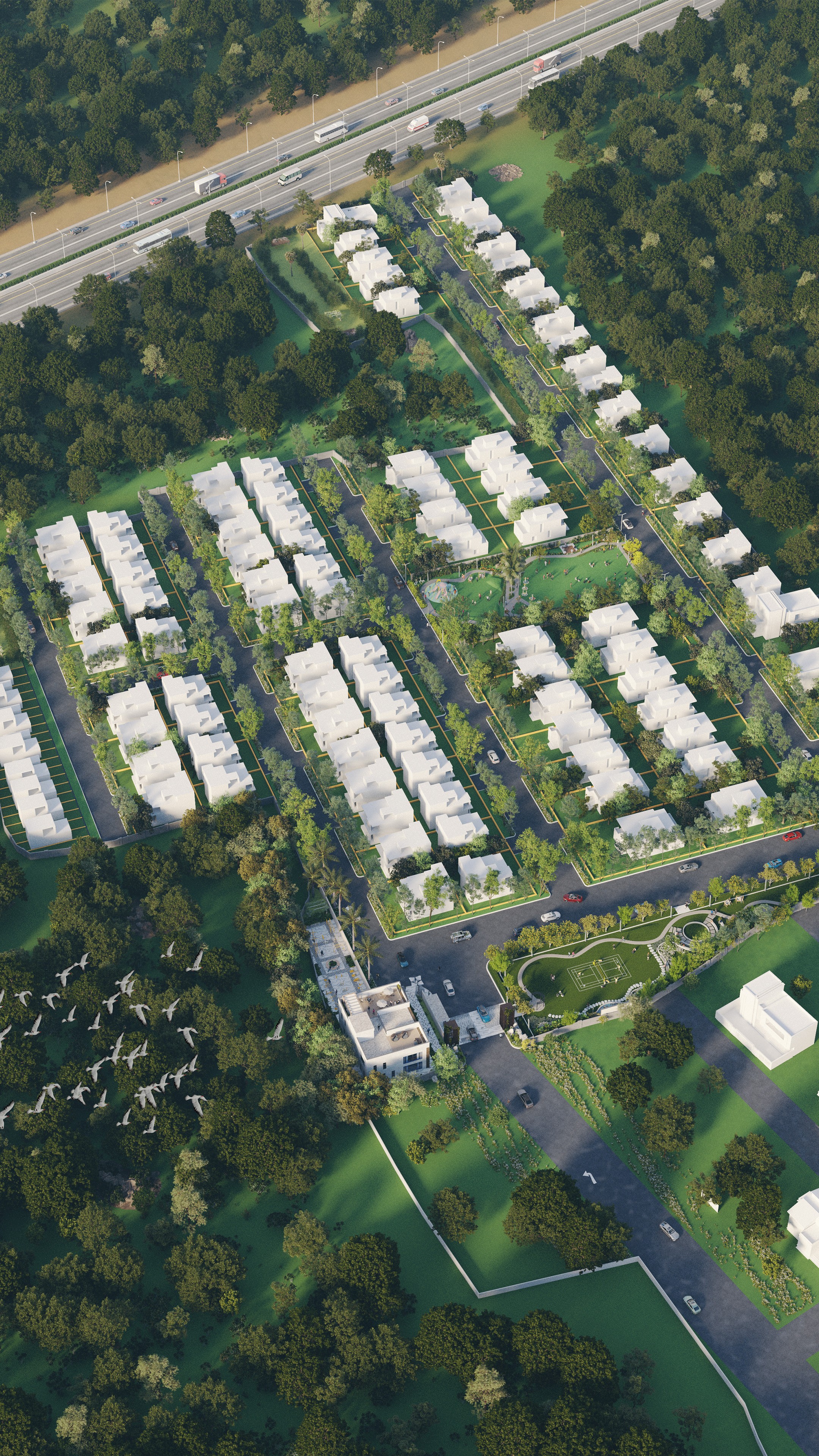
Indian property market vs. the western property market
For global investors and NRIs, the choice often comes down to stability versus growth. While Western markets have long been seen as "safe havens," the Indian real estate sector—specifically in rising hubs like Raipur—now offers a combination of high yields and technological transparency that traditional markets struggle to match. This guide provides a balanced comparison between the Indian and Western property markets to help you decide where to park your capital.
6 Minutes

Investing in real estate is a game of geography and timing. In 2026, the contrast between the "mature" markets of the West (USA, UK, Canada) and the "emerging" powerhouse of India has never been sharper. Here is how they stack up across four critical categories.
1. Growth Potential: Linear vs. Exponential
Western Markets: Cities like London, New York, or Toronto are "mature." Prices generally follow inflation or see modest linear growth. While they are stable, the days of doubling your investment in five years are largely over.
Indian Market: India is in a phase of exponential urbanization. In cities like Raipur, strategic corridors like the Vidhan Sabha Road are seeing rapid appreciation driven by massive infrastructure spending. Your money isn't just sitting in an asset; it’s riding a wave of national development.
2. Entry Costs and Luxury Accessibility
Western Markets: The barrier to entry is high. In major Western hubs, a $500,000 (approx. ₹4.2 Crore) budget might only secure a modest 1 BHK or a suburban fixer-upper.
Indian Market: That same budget in India grants you access to "Ultra-Luxury" status. At Shri Swastik, a similar investment can secure an expansive 4 BHK designer apartment in Swastik Florea or a large estate at Swastik Kalpvriksh, complete with world-class amenities that would cost millions in the West.
3. Rental Yields and "Managed" Assets
Western Markets: Rental yields in the West are often squeezed by high property taxes, expensive maintenance labor, and strict tenant laws. Many investors find that after expenses, their net "cash flow" is minimal.
Indian Market: The rental market in India is booming due to a young, mobile workforce. With commercial hubs like Prime Plaza attracting businesses, the demand for corporate housing is surging. Additionally, maintenance costs in India remain significantly lower, allowing for a higher net percentage of rental income to stay in your pocket.
4. Transparency and Digital Ease
Western Markets: Historically, the West won on transparency. Everything was digital and legally clear.
Indian Market: The gap has closed. In 2026, the RERA portal provides the same level of security and data as Western MLS systems. From digital land records in Chhattisgarh to virtual site tours, an NRI can now execute a transaction in Raipur with the same "click-and-buy" confidence they have in the UK or USA.
5. Tax Incentives and Diversification
The West: Often carries heavy "holding taxes" (Property Tax) that can reach 1–2% of the home's value every single year.
India: Offers aggressive tax deductions on home loan interest (under Section 24) and no GST on ready-to-move-in properties. For those living abroad, India serves as a perfect "currency hedge," diversifying your wealth away from a single global economy.
Conclusion: The Verdict
If you seek a slow, low-risk preservation of wealth, the West remains a solid choice. However, if your goal is wealth creation, aggressive appreciation, and a high-standard-of-living asset, the Indian market—particularly in growth-focused cities like Raipur—is the clear winner for 2026.
Invest in the Future. Whether you are at home or abroad, Shri Swastik provides a bridge to the most lucrative opportunities in the Indian market. Explore our portfolio and see where the world is moving.
Next blog